
Identify before handling.
The material and surrounding edges matter.
MUSWELL HILL · RUGS AND MATERIAL DAMAGE
Pest Control Muswell Hill
A damaged rug needs a material-specific enquiry.
Damage beneath a rug can go unnoticed until furniture moves or the rug is lifted for cleaning. For a Muswell Hill pest enquiry, describe the fibre, affected edge and any insect evidence. A textile finding should not be labelled bed bugs simply because the rug is in a bedroom, and valued materials need handling advice before products or heat are applied.
Tell us the rug material, damage location and original finding.
- Separate wear from suspected insect damage.
- Photograph relevant insects with scale where possible.
- Explain delicate fibres and furniture access limits.
Describe the rug finding precisely.
The affected material
Give the known fibre and whether a backing or mixed material is present. State if the composition is uncertain. Damage to a natural-fibre surface and damage to a backing may present different questions; the word “rug” alone is not enough.
Position of the damage
Note whether the finding is at an exposed edge, beneath furniture or on the underside. Record when it was last checked. Newly discovered damage may have been hidden for some time, so discovery date should not be presented as the date activity began.
Insects or cases
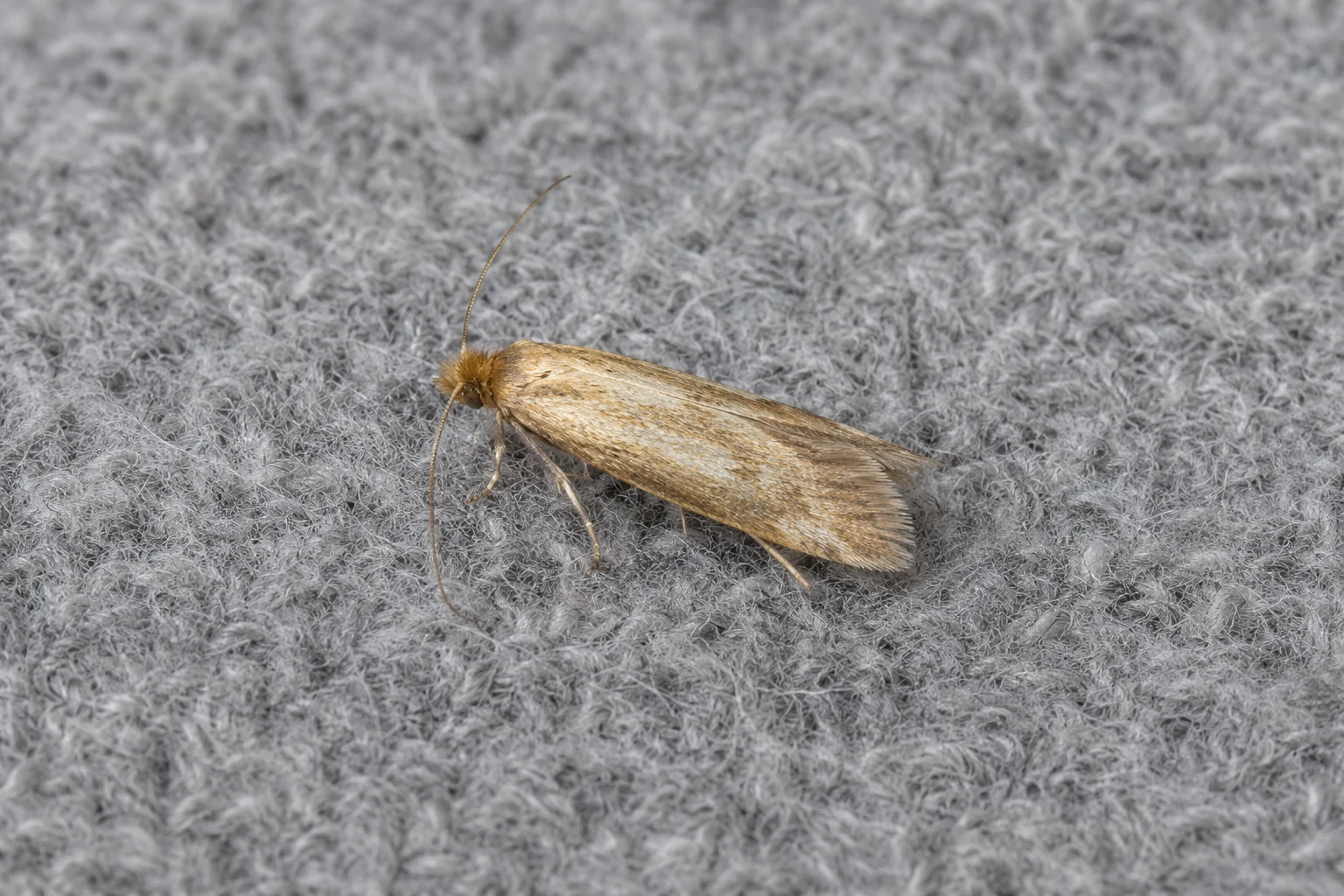
Supply an original image with approximate size and the exact surface. Ask for identification rather than rely on a similar online photograph. Confirm available assistance for the species before selecting named work.
Arrange a view of the relevant surfaces.
Safe furniture access
Explain heavy furniture and who can move it. A pest appointment should not depend on unexpected lifting or dragging a valued rug. Agree whether the relevant edge and underside can be made accessible without damaging the item.
Surrounding storage and floor edges
Describe nearby fabrics and independently affected items. Inspection can then consider relevant accessible areas without assuming every textile shares the same issue. A fixed or inaccessible edge should remain a stated limitation.
A separate sleeping-area report
If there are direct findings on a mattress or frame, describe them independently for a bed bug enquiry. A rug insect and a skin reaction should not be combined into a bed bug diagnosis without supporting evidence.

Accessible floor edges can help an examination, but a room photograph does not identify a textile pest.
Protect the material while clarifying the service.
Available assistance
Confirm whether the identified species is covered by the service offered. Not every fabric insect is a confirmed core treatment here. An identification enquiry may need another step before a treatment proposal can be made.
Cleaning and care restrictions
Give the care label and any specialist cleaning requirements. Do not apply sprays, heat or cleaning products based on advice for a different pest. Treatment preparation should be suitable for the material and the proposed method.
Moving or storing the rug
Ask how relevant items should be handled while awaiting assessment. Rolling and transferring the rug to another room can remove the original arrangement. Disposal should not be assumed necessary solely because damage is suspected to involve insects.
Improve later comparison rather than repeatedly disturbing the room.
A condition record
Photograph the examined edge and note the date. Keep any assessment and completed handling instructions. A future comparison is more informative when the original damage is documented instead of remembered as “a few holes”.
Accessible housekeeping
Discuss cleaning of relevant edges within the rug’s care requirements. Explain recurring inaccessible areas beneath furniture. Practical maintenance can improve observation, but it is not proof that an identified pest has been eliminated.
Other room evidence belongs in a separate brief.
Rodent or building signs
Food damage or suspected droppings may require mice assessment or rat control. A relevant opening may need proofing. These concerns should not be folded into a textile diagnosis merely because they occupy the same room.
Shared handling
Tell cleaners or household members which instructions have actually been agreed. Avoid several people independently treating or moving the rug. The record should show what happened to the material and when.
Price the assessed issue and handling limits.
Ask what identification, examination and any treatment scope include. Specialist cleaning or furniture handling may require separate arrangements. The pricing guide helps distinguish those tasks from pest work rather than treat one quote as covering every service.
Related enquiries nearby
East Finchley pest control discusses children’s-room preparation, while Highgate’s damp-cupboard guide considers unidentified crawling insects. Confirm the Muswell Hill address and material access for this enquiry.
Questions about a damaged rug
Does bedroom rug damage indicate bed bugs?
No. Material damage and direct bed bug evidence are different questions. Identification should follow the actual finding, not the room name.
Is every small moth a clothes moth?
No. An original photograph and relevant context may assist identification, but an uncertain insect should not acquire a species label from size alone.
Should the rug be rolled up before inspection?
Ask what access and handling are needed. Moving it can change the original location picture and may not be necessary.
Can I use the same preparation as a mattress treatment?
Do not assume this. The pest, material and proposed method determine suitable instructions.
Does new damage mean it happened after cleaning?
Not necessarily. Compare with the last documented check and whether the area was previously visible.
Is specialist rug cleaning included in pest treatment?
Ask explicitly. Material care and pest work can be separate tasks with different providers and scopes.
Give the rug evidence its own assessment.
Contact Getting Rid of Pests with the material details, images and access constraints. For a time-sensitive concern, ask about emergency pest control availability. The appropriate next step should protect the item and follow supported identification.
Ask whether identification and assistance for the suspected species are available.