
SWISS COTTAGE · TEXTILE LIFE STAGES
Pest Control Swiss Cottage
The insect on the window may not be the one damaging the rug.
In Swiss Cottage, a flying moth and a hairy larval skin beside wool point to different identification questions. This guide separates adults, feeding larvae and existing textile damage before you decide what assistance to request.
- Keep the damaged item’s material description.
- Distinguish a live larva from an empty skin.
- Confirm suitable assistance before selecting treatment.
Tell us which material is affected and what insect or skin was actually seen.
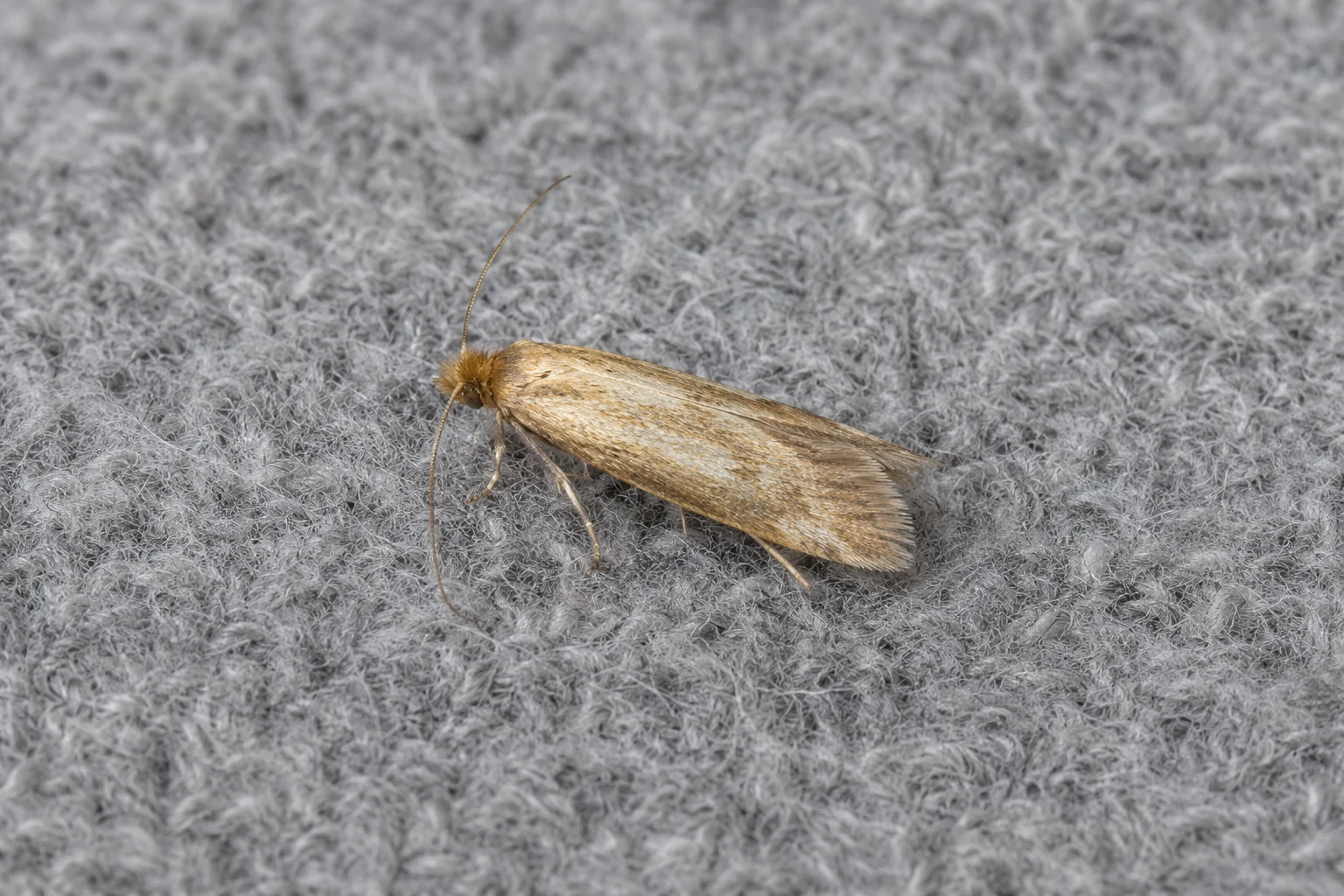
Look at the life stage as well as the fabric.
Three findings that deserve separate descriptions
A moth in flight
The adult moth is a clue for identification, but textile feeding is associated with the larval stage of clothes moths. A flying insect beside a window does not establish the condition of every garment in the room.
A hairy skin near wool
Carpet-beetle larvae can leave cast skins. The adult beetle has a different appearance and feeding role. An empty skin can support a closer look, but cannot show that feeding is still happening today.
A hole without an insect
Inspecting the material and surrounding accessible storage may help. Wear, catching or another cause must remain possible where no pest evidence supports the damage. Do not turn every old hole into a newly discovered infestation.
Compare the clue rather than prescribe a treatment
| Finding | Clothes-moth question | Carpet-beetle question |
|---|---|---|
| Feeding stage | Clothes-moth questionLarvae can damage suitable textiles. | Carpet-beetle questionLarvae, rather than adult beetles, cause textile damage. |
| Associated material | Clothes-moth questionAsk about silk traces or larval cases where observed. | Carpet-beetle questionDescribe hairy larvae or shed skins separately. |
| Adult observation | Clothes-moth questionA flying moth needs identification. | Carpet-beetle questionA small adult beetle is not itself proof of fresh fibre feeding. |
Examine an item and its storage history together
Describe the rug, upholstery or garment fibre and its position before anything was moved. Identify undisturbed edges that can be accessed normally. The enquiry should distinguish one affected possession from a wider storage concern rather than apply a room-wide conclusion from one photograph.
For furniture you cannot move safely, explain the restriction before booking. Keep cleaning and previous treatment dates with the observations. The contact team can confirm whether suitable identification and assistance are available for the supported pest.

Make changes that relate to the material
Clean accessible edges
Normal cleaning can remove accumulated material around furniture. It does not by itself identify the larva, certify an item is unaffected or substitute for a specific treatment recommendation.
Manage stored natural fibres
Keep possessions in appropriate clean storage and check affected items before moving them elsewhere. Follow instructions suited to the textile; a washing method appropriate for one garment may damage another.
Agree an inspection before assuming a package
Ask which items and accessible storage will be examined, and what follow-up would assess. Price guidance should be read with a confirmed scope, not as a guaranteed tariff for every textile insect. A bed-bug service is a different enquiry and should not be selected simply because damage is near a bed.
Follow the question that matches your finding
Belsize Park addresses brief rodent sightings. South Hampstead explores insects associated with seating and sleeping furniture.
Textile-stage questions
A hole, a flying adult and a cast skin are different pieces of information.
Can an adult carpet beetle eat a wool carpet?
The textile-damaging stage is the larva. An adult sighting can prompt investigation, but it should not be described as an adult chewing the carpet.
Is every brown hairy fragment a carpet-beetle skin?
No. A clear view of the structure and location is needed; lint and other insect remains can be confused in poor photographs.
Do silk traces confirm a clothes moth without further checking?
They can be relevant, but describe the actual material rather than supplying a diagnosis from an internet photograph. Other findings may still be needed.
Should all curtains be removed because one rug is damaged?
Ask which materials and locations warrant examination. Automatic removal can lose context and creates handling work that may not be necessary.
Can a stored garment be washed on a hot cycle as a universal precaution?
Fabric care and any confirmed pest instructions both matter. Do not use a single temperature recommendation for possessions with different care requirements.
Is inspection still useful after a damaged item was discarded?
Explain what is no longer available, any original photographs and the remaining storage. The lost item may limit identification without making all assessment impossible.
Start with the textile and the life stage
Getting Rid of Pests can discuss your Swiss Cottage finding and confirm the appropriate next enquiry. Describe the insect, the material and the location separately.