
Material and history matter.
Do not diagnose from the word bedding.
PINNER · SEASONAL BEDDING
Pest Control Pinner
Stored fabric damage and bed bug evidence are different questions.
Opening a bag of winter bedding can reveal an insect, fabric damage or debris that was not visible when it went into storage. For a Pinner enquiry, explain the material, storage conditions and what was found. The appearance of damage on bedding does not automatically establish bed bugs or a problem in the current sleeping area.
Tell us what came out of storage and where the finding was made.
- Name the fabric and the storage period.
- Keep damage, insects and skin reactions separate.
- Agree examination before redistributing stored items.
Describe the finding before naming a treatment.
Holes or surface damage
Note the affected material and whether the damage is on one item or several. Give the last time the item was examined, rather than only the day the storage bag was opened. Wear, old damage and pest damage should not be treated as interchangeable descriptions.
An insect or larva
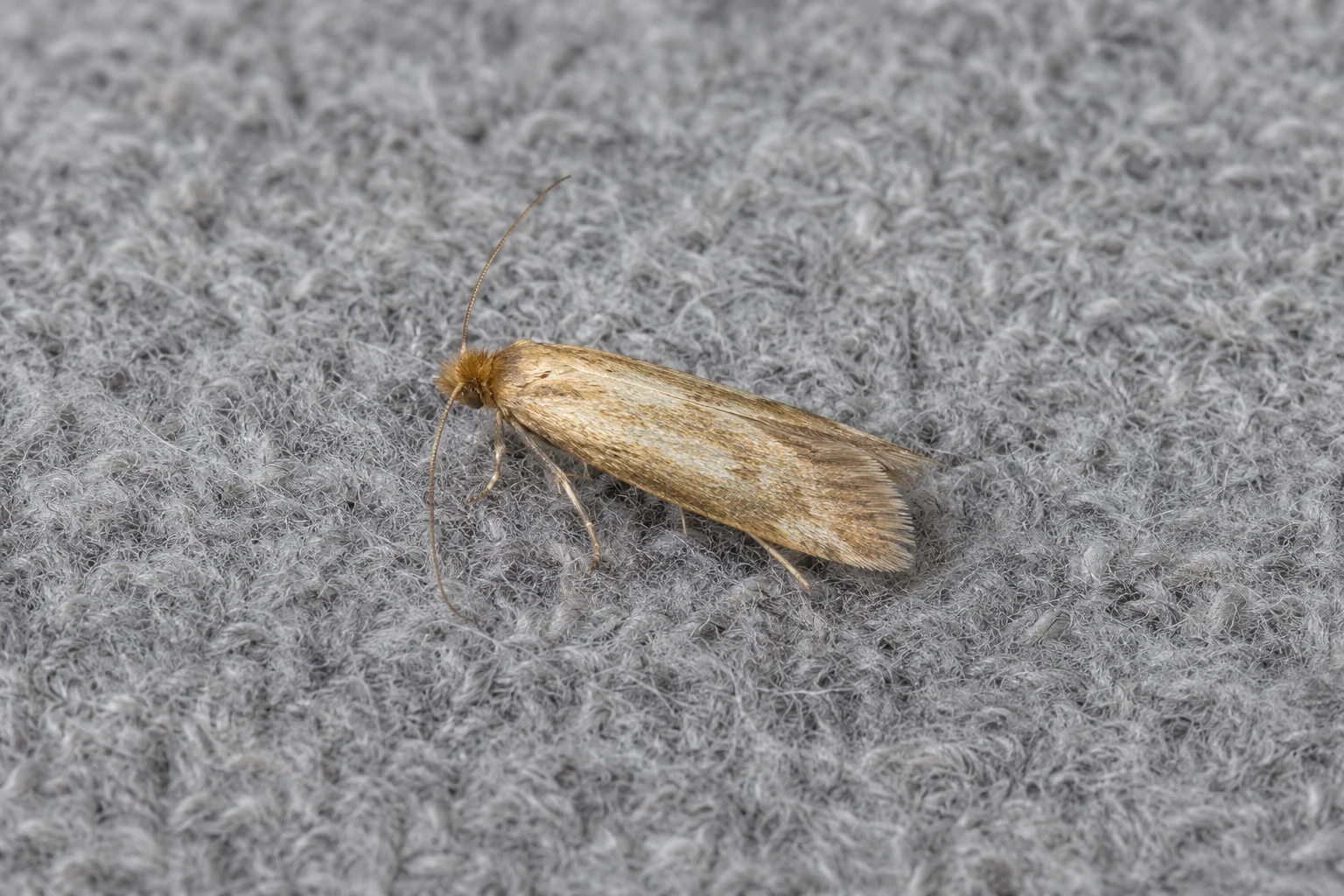
An original photograph with a size reference can assist identification. Include the surrounding fabric and any case or debris where safely visible. Ask whether identification and treatment for that species are available; not every textile insect is a confirmed service offered here.
A concern after using the bedding
Describe actual insects or marks found in the sleeping area separately from skin reactions. The bed bug information explains an enquiry about supported bed bug evidence. A reaction after changing bedding does not by itself establish the cause.
Reconstruct the storage history without inventing a source.
Where the items stayed
Explain whether the bag was in a wardrobe, loft cupboard or another accessible store. State whether it was opened during that period. The storage location helps define an inspection brief, but it does not establish when or where any insect arrived.
What else shared the container
List relevant neighbouring fabrics and whether damage was found on them too. Avoid emptying every cupboard into a different room before advice. That can remove the original arrangement and make it harder to compare the affected items.
Ask which material and locations need examination.
The textile itself
Agree how the finding can be assessed and whether photographs are sufficient. Keep the original description if identification remains uncertain. An incomplete image should not acquire a confident species label just to make booking easier.
The accessible storage edges
Give the cupboard layout and any fixed shelving or inaccessible corners. Inspection may need to consider surrounding dust, debris and other stored material, depending on the identified concern. Ask what should be moved and what should remain in place until examined.
The sleeping area when relevant
Where there is independent bed bug evidence, discuss the bed frame, mattress, headboard and nearby furniture. This is a different scope from assessing one damaged duvet. The findings should explain why a sleeping-area treatment is proposed and which rooms were considered.

A sleeping-area inspection addresses a different evidence question from damage found in stored textiles.
Handling should follow the identified concern.
Laundry and material restrictions
Mention care labels and any fabric that cannot tolerate the proposed preparation. Ask for achievable instructions for the selected method. Do not apply heat, sprays or cleaning products to valued bedding on the assumption that all textile pests need the same approach.
Items awaiting advice
Ask how to keep the relevant belongings separate without unnecessarily moving them through the house. Explain what storage space is available. Preparation should be practical for the household rather than a promise that everything will be processed in one afternoon.
After treatment or identification
Keep the assessment and handling instructions with a record of what was found. If more damage appears, report the item and when it was last checked. A later discovery may represent previously hidden damage, so the sequence matters when deciding whether there is continuing activity.
Make future checks more informative.
Separate returning-to-use and remaining-in-store items
Make a list of the bedding intended for this season and the items staying packed. Record which have been examined or completed the agreed handling, rather than mark the whole container ready because one duvet was checked. Keep material-care limits beside the relevant item so a task completed for washable sheets is not assumed to cover a delicate blanket.
Keep unrelated pest reports distinct
Damaged food in the same cupboard area may require a mouse enquiry; an opening at the building edge may need proofing assessment. Neither should be folded into a textile diagnosis simply because the findings were discovered on the same day.
Confirm identification and scope before requesting a textile-pest price.
Ask whether the service can assess the suspected species, which belongings or rooms are included and what preparation is required. The pricing guide offers questions about visits and inclusions. A price for confirmed bed bug work should not be treated as a general tariff for any insect found near bedding.
Related enquiries around Pinner
See Harrow pest control for concealed kitchen access or Northwood’s furniture enquiry guide for items in rarely used rooms. Provide the actual Pinner address and storage details when calling; those different situations should retain their own evidence.
Questions when winter bedding comes out
Do holes in a duvet mean bed bugs?
No. Fabric damage needs assessment of its material and cause. Bed bug identification relies on relevant evidence, not the fact that an item is used on a bed.
Is the date I opened the bag the date damage started?
Not necessarily. Give the storage period and the last known examination so discovery and possible development are kept distinct.
Should every stored blanket be treated?
That depends on identification and the assessed extent. Ask which items need preparation rather than assume blanket treatment of all fabrics is necessary.
What if the care label rules out the suggested handling?
Raise it before doing the task. The preparation plan needs to account for the material and a suitable alternative, where available.
Can an insect photograph establish the whole storage area is clear?
No. Identification of one insect and assessment of the surrounding storage are separate matters with different limits.
What should I record before storing the bedding again?
Note its inspected condition, date and any completed handling instructions. This creates a useful comparison if damage or insects are discovered later.
Let the evidence choose the next step.
Use Getting Rid of Pests to discuss the textile, photograph and storage history. If independent bedroom evidence makes the situation urgent, ask about emergency pest control appointments. The enquiry should establish the appropriate service before a familiar pest name turns into an unnecessary treatment.
Request identification advice with the bedding and storage history ready.