
BLACKHEATH · LONDON
Pest Control Blackheath
Outdoor activity does not always require the same response as pests inside a room. Getting Rid of Pests takes Blackheath enquiries that describe sightings, suspected nests and signs at structures separately. Call with what you have observed from an ordinary position and the area you are authorised to have inspected.
- Distinguish passing activity from signs at an occupied structure.
- Describe a suspected nest without disturbing it to gather evidence.
- Confirm the pest and available service before booking treatment.
Outdoor observation · Identification discussion · Proportionate scope
THE QUESTIONS BEHIND THE CALL
Decide what needs inspection before deciding what needs treatment.

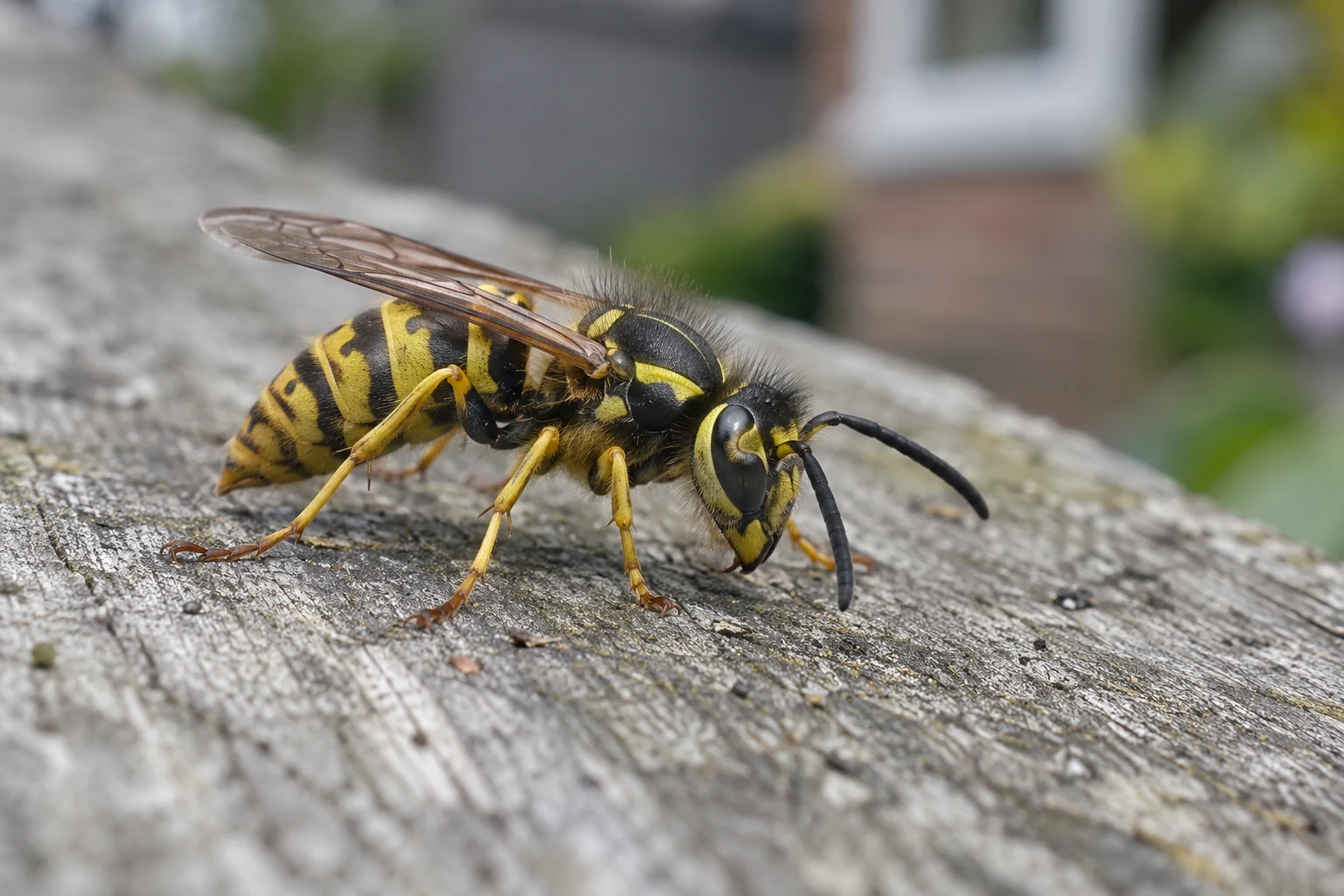
A suspected wasp nest
Explain where repeated activity appears to concentrate and whether a nest has actually been seen. You do not need to approach or disturb it to make an enquiry. Ask the team to confirm identification, service availability and access requirements. A wasp seen in the garden is not on its own a nest diagnosis. If a treatment is proposed, its scope should explain the location and practical access rather than promise that every flying insect outdoors will disappear.

Rodents near a shed or building edge
Record sightings, damaged stored items and any indoor evidence as separate observations. Our rat inspection information and mice service page explain supported rodent enquiries. The relevant question is whether the signs indicate activity needing work at an inspected structure. A rodent crossing open ground does not prove an infestation throughout the home or establish a route onto another person’s land.
YOUR PROPERTY & ACCESS
Keep the property boundary and structure clear.
For a Blackheath enquiry, identify the house, shed, communal garden or other area involved. Say who can grant access. The neighbourhood name may cover different administrative arrangements, so give the exact postcode and address rather than assume one council or collection rule applies everywhere.
Use existing observations: the place activity was seen, how often it was noticed and whether the same sign was recorded more than once. Repeatedly recounting one sighting is different from repeated sightings. Avoid adding an invented seasonal outbreak claim to make the report sound more urgent; the evidence and practical effect are enough to discuss the next step.
If storage or waste is relevant, check the guidance for the actual premises. Royal Greenwich’s waste information is one local reference, not a diagnosis. Nearby Greenwich business inspections and Lewisham vacant-property enquiries cover different uses of buildings. They are useful context when the report also concerns occupied rooms or premises being reopened.
MAKE THE VISIT USEFUL
Three reasons to ask for a professional assessment.

Identification is uncertain
An insect or sound has not established the pest. Describe it without assigning a service prematurely. The team can discuss what information or inspection may clarify the enquiry and whether treatment for the identified issue is available.

A structure shows signs
Damage, repeated activity at a specific opening or signs inside a store give an assessment a defined location. Explain access and recorded evidence. Ask what the findings support rather than extending a vague outdoor report to every building.

Occupation is affected
Describe the practical impact on access or room use. A concern can justify discussing an appointment without fabricated urgency or guaranteed response times. The appropriate visit still depends on the pest, access and current schedule.
Suspected nests
Report the location as you know it and any access limitation. Do not interfere with a nest or climb to obtain a photograph. Ask for advice on the enquiry and suitable inspection arrangements before trying to make the scene easier to reach.
External storage
Explain contents and keys before clearing a shed or moving supplies indoors. Record damage first where practical. Proofing recommendations should relate to an assessed structure and be coordinated with active treatment where needed.
SCOPE & BOOKING
Confirm the service and the access.
Ask what work is available for the identified pest, what location the quote covers and whether monitoring or further visits are included. Access and treatment requirements affect the amount. Check VAT through the price guide. No numeric area price is assumed here: the relevant quotation is the one confirmed for the observed problem and premises.
Outdoor activity is restricting use?
Call with the observation and explain the effect on access or occupation. Urgent enquiry options can be discussed with the postcode. The conversation should establish identification and service availability before promising a particular treatment or timetable.
020 3746 3014BEFORE MAKING A DECISION
Outdoor-enquiry questions.
Does one wasp mean there is a nest to treat?
No. Explain observed activity and whether a nest is actually visible. Identification and the relevant service should be confirmed. Do not disturb a suspected location simply to turn an uncertain report into a definite one.
Can you treat any bird or wildlife issue?
No such general service is promised here. Describe the issue and ask what appropriate advice or service is available. Do not assume the pest-control label covers every animal seen around a property.
Do repeated messages count as repeated sightings?
Keep the original observation date with any retelling. Several messages may refer to one incident. A factual record distinguishes separate sightings from repetition and makes the assessment more useful.
Should an entire garden receive treatment after a rat sighting?
Not automatically. Report the location, structures and any physical signs. The inspection should establish the relevant scope rather than apply a whole-garden diagnosis from one passing animal.
Can I book a nest visit without a photograph?
Yes, discuss the location and what you can describe from an ordinary position. A photograph is not worth approaching or disturbing a suspected nest. The team can explain suitable enquiry and access arrangements.
Will closing a shed gap resolve all outside activity?
It addresses only an appropriately assessed building task. Discuss its purpose and relation to treatment. Proofing a structure should not be presented as control of every outdoor animal beyond the inspected premises.
GETTING RID OF PESTS
Describe what you saw, and where it matters.
Call about Blackheath outdoor enquiries. Explore the wider London pest control service.
020 3746 3014