
BERMONDSEY · LONDON
Pest Control Bermondsey
An enlarged photograph can make a tiny insect look very different from what was seen in the room. For Bermondsey enquiries, Getting Rid of Pests asks for the original image alongside its location and approximate size. Useful identification starts with an honest record, not a heavily edited picture or a pest name chosen from the first search result.
- Keep the original photograph alongside any close crop.
- Describe size and surroundings outside the image.
- Confirm identification and available service before booking treatment.
Identification questions · Original evidence · Treatment after assessment

THE QUESTIONS BEHIND THE CALL
Make the image answer the right question.
A small insect photographed in the kitchen
Show its shape as clearly as practical and describe the surface where it was found. One blurred image may leave important details unavailable. Our cockroach service information applies when identification supports that enquiry; a dark shape beside a cupboard is not enough to establish it. Do not apply filters or sharpening that invent apparent detail. State what could be seen with the naked eye and what remains uncertain.
A suspected insect around sleeping furniture
Include the location on the bed or furnishing and approximate size where known. Bed bug assessment guidance explains why bites alone do not identify that pest. A clear picture of an insect and a photograph of a mark on skin are different kinds of information. Keep them distinct and avoid assuming the same cause merely because they were noticed together.
YOUR PROPERTY & ACCESS
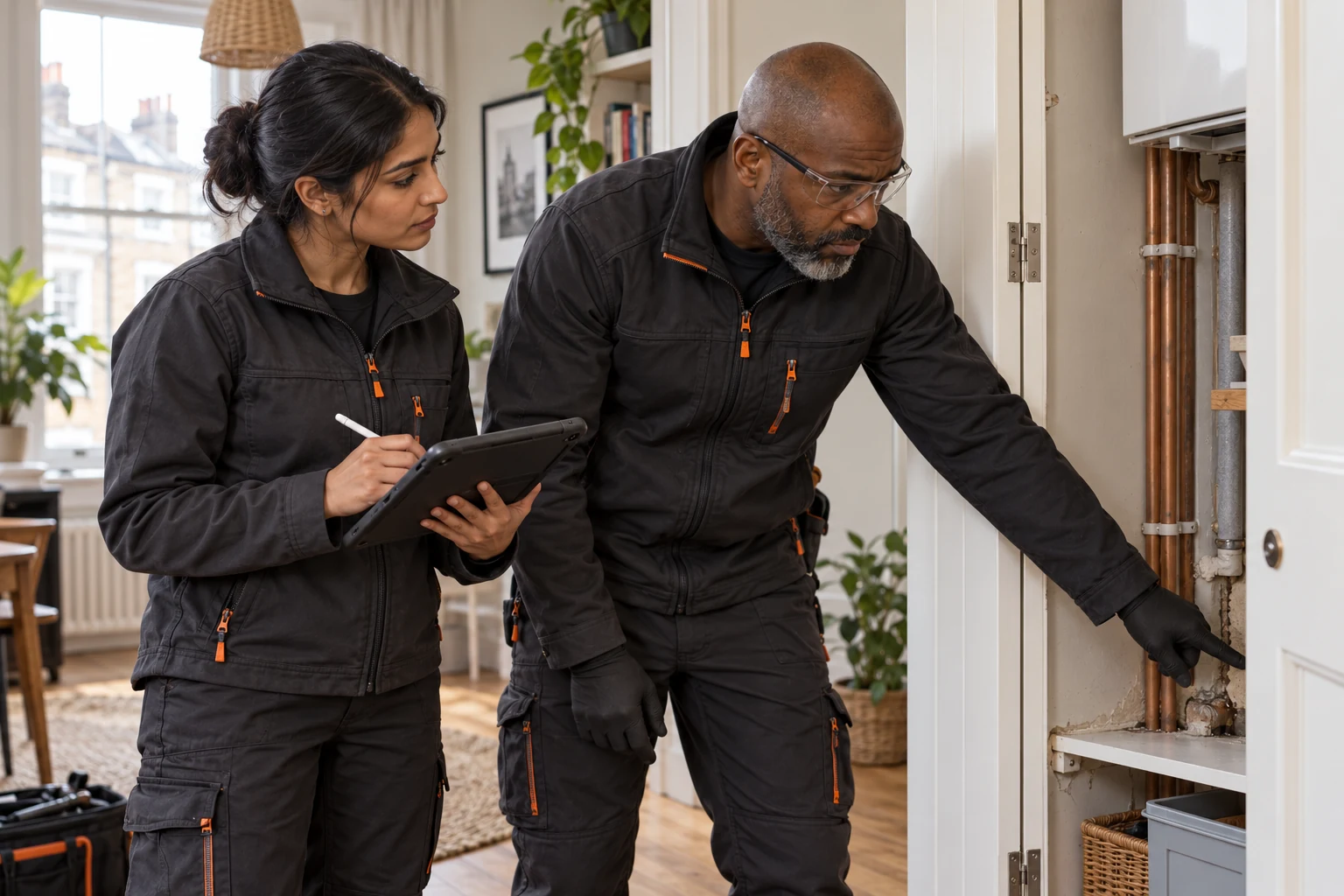
Keep context with photographs from a Bermondsey property.
The camera can lose the room context when it moves close to the object. Describe the room, exact surface and discovery date in your message. An overview photograph can preserve the location alongside a closer view. Neither image proves the extent of activity in areas that have not been checked.
Give approximate size in words if no reference is visible. Do not place your hand beside an unknown pest or disturb residues just to add scale. Existing safe photographs are enough to start the conversation. If an image cannot support identification, ask what further examination or information would be useful rather than repeatedly increasing its digital magnification.
For local service or disposal information, Southwark’s council business resources provide the relevant starting point. They do not identify an insect photographed at your address. Nearby Waterloo access planning and Peckham separate shop-and-flat enquiries help if arranging the assessment involves workplace entry or different occupiers.
MAKE THE VISIT USEFUL
Preserve the distinction between appearance and interpretation.

Supply the original view
Retain the unedited image and date. If you send a crop, include the original too. Explain whether the insect was moving or stationary and whether its present location differs from the discovery point.

Add information the lens missed
Describe approximate size, material and location. Say if the photograph is of the actual finding or merely an internet image that looked similar. A comparison picture should never be presented as evidence captured at your property.

Accept an unresolved identification
Some photographs cannot answer the question. Ask what assessment is recommended and confirm that any proposed treatment is an available service for the identified concern. Uncertainty is not a reason to choose the nearest familiar pest label.
Before collecting more material
Ask how to provide further information appropriately. Do not dismantle furniture or handle unknown residues for a better image. Tell the team whether the object is still available; a photograph of discarded material may have limits that cannot be resolved remotely.
Before clearing the location
Keep the original position documented. Mention any cleaning or product application after discovery. If mice evidence is also present, report it separately rather than combine an insect photograph and rodent signs into one assumed infestation.
SCOPE & BOOKING
Identification is not automatically a treatment quotation.
Confirm whether the requested attendance is for assessment or a named treatment. The identified concern, affected areas, access and proposed follow-up determine scope. The pricing guide helps with inclusions and VAT. An uncertain photograph cannot establish every room involved or justify quoting a whole property under one pest name.
Need the finding assessed promptly?
Call with the Bermondsey address and what was actually observed. Ask about urgent assessment availability if occupation or operations are affected. Describe the impact without enlarging the claim from one uncertain image to a confirmed widespread problem.
020 3746 3014BEFORE MAKING A DECISION
Questions about images and identification.
Is a very large digital crop more useful?
Not necessarily. Enlargement cannot restore detail absent from the original. Supply the original image as well, with size and location information, rather than relying on an altered close-up alone.
Can I send a similar insect found online?
Label it as a comparison, not a photograph from your premises. Explain which features seemed similar. It cannot establish identification of the insect you actually observed.
Should I add a ruler beside the insect?
Do not disturb an unknown pest or residues to create scale. Give an approximate size if known. Ask what further evidence would be useful when a safe existing image is insufficient.
Can a clear photo show how many rooms are affected?
It may assist identification of the visible finding, but it does not examine other rooms. Provide independent observations from each location so extent is assessed separately from appearance.
What if I no longer have the object?
Say so and retain the photograph, date and discovery location. Ask what the available evidence can support. The discarded object should not be described as examined during a later visit.
Do I need to select a service before calling?
No. Explain the finding and ask for an identification discussion. Confirm the service once the concern is established rather than booking treatment for a pest selected from an uncertain image.
GETTING RID OF PESTS
Send the original evidence with its context.
Call to discuss a Bermondsey finding. For the services that follow identification, see the London pest control overview.
020 3746 3014