
BARNES · LONDON
Pest Control Barnes
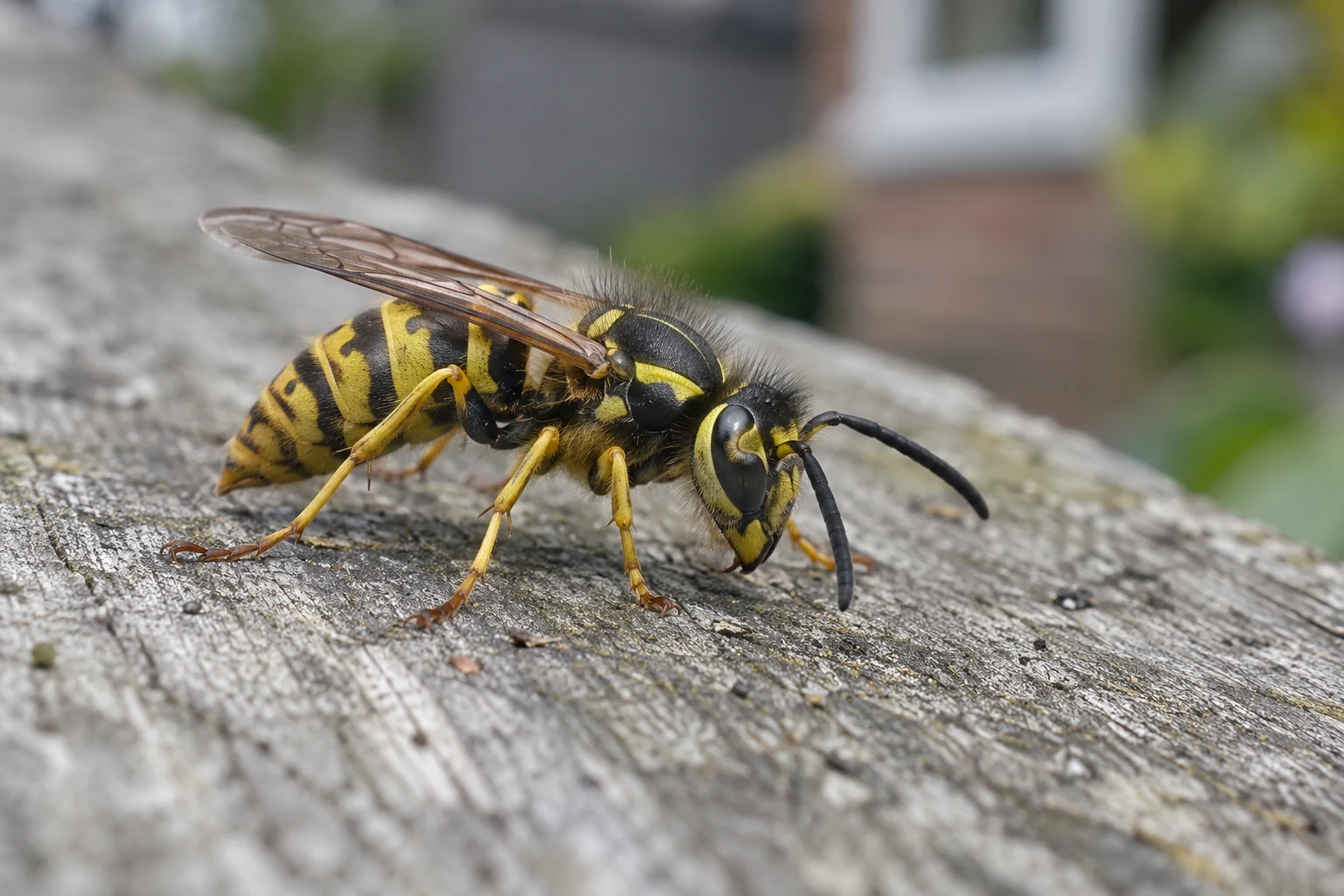
Flying insects near a garden door can prompt a wasp-nest enquiry before anyone has established what is present. Getting Rid of Pests takes Barnes calls that distinguish an insect sighting from a suspected nest location. Explain the observation and the area affected, then confirm identification and available assistance before arranging a named treatment.
- Describe flying insects and any repeated entry location separately.
- Mention doors, seating or work areas affected by the activity.
- Confirm the pest and service instead of assuming every nest is a wasp nest.
Flying-insect enquiry · Identification first · Location and access clarified
THE QUESTIONS BEHIND THE CALL
A flight path and a nest are different observations.
Activity around a door or outdoor table
Record where insects were seen and whether a particular opening is repeatedly used. Do not approach or disturb a suspected nest to improve the report. A clear description from your usual position can start the conversation. State whether the issue concerns an occasional insect near food, repeated movement into a structure or an actual nest seen previously. Those details should not be collapsed into one confirmed diagnosis.
Bees and other uncertain flying insects
Do not select wasp treatment merely because an insect has stripes. Ask what identification information is useful and confirm the appropriate available service. Some enquiries may need a different specialist. Our contact page provides the booking route. If the report instead concerns rodents in a shed, the rat assessment page addresses that separate issue; it should not be bundled into a flying-insect request.
YOUR PROPERTY & ACCESS
Describe the affected use of the Barnes outdoor area.
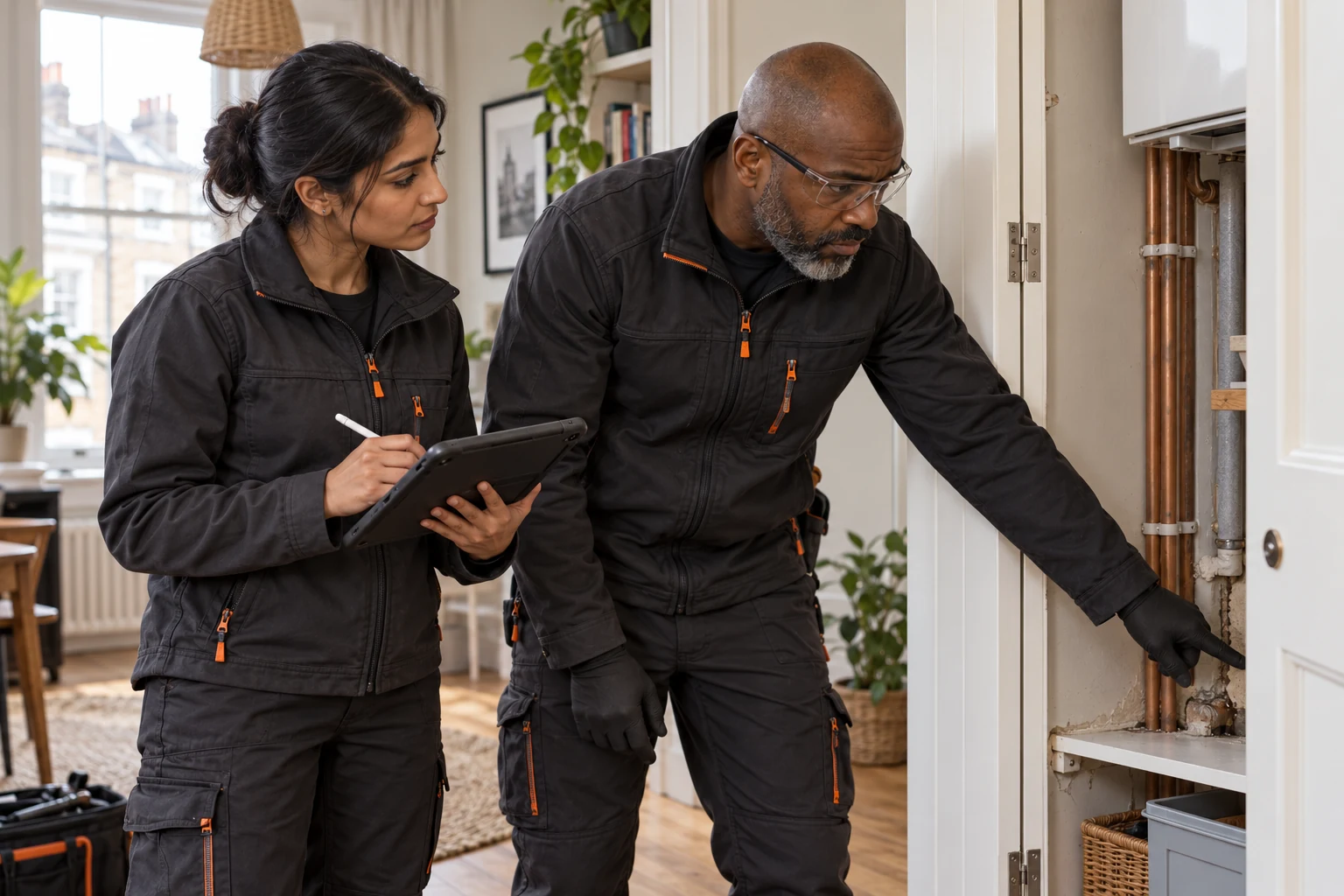
Tell us whether the observation affects the main door, a shed entrance, seating or another regularly used place. This gives the enquiry a practical location without claiming nests are widespread in Barnes. Identify who controls the structure and can arrange access; a suspected opening on a neighbour’s property remains outside your authority unless permission is agreed.
Existing photographs may help if they were taken without disturbance. A distant picture that cannot resolve identification should remain uncertain. Do not climb to a roof edge, remove panels or block an opening to prepare for a call. State access restrictions so the team can discuss what assessment is feasible.
Richmond Council’s pest information points residents towards private pest companies and identification advice. This is a council resource, not an accreditation of this business. Nearby Putney building-work enquiries and East Sheen stored-item assessments cover different concerns if the outdoor observation is only part of your property enquiry.
MAKE THE VISIT USEFUL
Establish three facts before arranging nest work.

What has actually been seen?
Describe the insect and original observation. Distinguish a visible nest from an opening used by flying insects. If the only evidence is a sound in a wall, say so rather than report a nest that nobody has seen.

Where does it affect the property?
Explain the doorway, room or outdoor use involved. Keep observations on separate structures distinct. A garden sighting does not establish activity inside the home or identify every insect in another location.

Which service is appropriate?
Confirm the concern, access and available assistance when enquiring. Do not assume all species are treated in the same way. The proposed work should follow identification rather than make identification fit the booking selected first.
Before altering an opening
Do not seal a suspected nest entrance or dismantle its surroundings as preparation. Explain any alteration already made, with its date. Ask what the assessment requires rather than try to force the activity into a more visible location.
If several pest concerns exist
Give each its own description. Mice signs in stored goods have different evidence and treatment questions from flying insects near a roof. The team should know which request is primary and whether another assessment is needed.
SCOPE & BOOKING
Ask for a location-specific proposal.
Identification, access and the available service need confirmation before a treatment price is meaningful. Discuss inspection, proposed work, any further attendance and VAT using our price guide. Do not assume one exterior quote covers every structure or promises removal of all insects passing through the garden.
An entrance is difficult to use?
Call with the Barnes address, observation and affected access. Ask about urgent enquiry availability and explain restrictions without approaching the suspected location to gather additional evidence. Same-day arrangements depend on availability and the work that can appropriately be offered.
020 3746 3014BEFORE MAKING A DECISION
Questions about suspected nests.
Does repeated flying activity prove a wasp nest?
It is useful information, but identification and the location still need assessment. Describe what is actually visible. A repeatedly used opening is not the same as a nest that has been examined.
Should I block the opening before calling?
Do not alter a suspected nest location as preparation. Explain the observation and ask for appropriate advice. Tell the team about any blocking or other work already carried out.
Is every striped insect a wasp?
No. Request identification rather than choose treatment from colour alone. Describe appearance and behaviour from a normal safe position and confirm the appropriate service before booking.
Can an enquiry include a neighbouring shed?
Only with the appropriate authority and access arrangements. Explain who controls it. Your own property booking does not grant permission to inspect or alter another person’s structure.
Do I need a close photograph to enquire?
No. Do not disturb the location or climb for an image. Existing photographs and a clear description may start the discussion; further assessment can be considered if identification remains uncertain.
Will one visit stop all insects in the garden?
A proposal should have a defined pest and location. It should not promise control of every flying insect passing through outdoor space. Ask what the assessed work is intended to address.
GETTING RID OF PESTS
Describe the insect, location and affected access.
Call about a Barnes enquiry. See the wider London pest control overview for the core inspection and treatment approach.
020 3746 3014