
Location is only context.
Use the original insect evidence.
FOREST GATE · AT THE BEDROOM WINDOW
Pest Control Forest Gate
The bedroom location does not make the insect a bed bug.
An unfamiliar insect on a bedroom window can be mistaken for a sleeping-area pest after an online image search. For Forest Gate pest control, preserve the original appearance and surface where it was found. Identification should come before treatment, and any separate evidence on sleeping furniture needs its own description.
Give the original window finding and any independent bed observations.
- Distinguish the sill, glass and sleeping furniture.
- Keep comparison images separate from your photograph.
- Confirm available assistance for the identified species.
Describe the window observation accurately.
Appearance and size
Use an original image with scale where safely possible. State whether wings or other features were actually visible, rather than inferred from a web photograph. An enlarged poor image can leave identification uncertain.
Exact resting surface
Say whether the insect was on glass, a curtain, the frame or sill. Record whether the window was open and the time of observation. These details provide context without proving how the insect entered or where it developed.
Separate sleeping-area findings
Describe insects or marks on the bed independently. Skin reactions alone do not identify bed bugs. The bed bug service guide is relevant to supported evidence, not every insect found in a bedroom.
Decide which examination is needed.
Identification enquiry
Ask whether the original evidence supports a species and whether assistance is offered. Not every flying or crawling insect is a confirmed core service here. A named treatment should not be selected only because its page appears in search results.
Relevant furniture access
Where independent evidence supports a sleeping-area concern, explain mattress, frame and headboard access. Fixed fittings and heavy handling need planning. A window finding alone should not imply that all bedroom furniture is affected.
Window and building condition
Describe visible defects without assuming they are the pest’s route. Suitable repairs may be relevant, but necessary ventilation and functions must remain. Proofing assessment should address an identified opening, not indiscriminate window sealing.

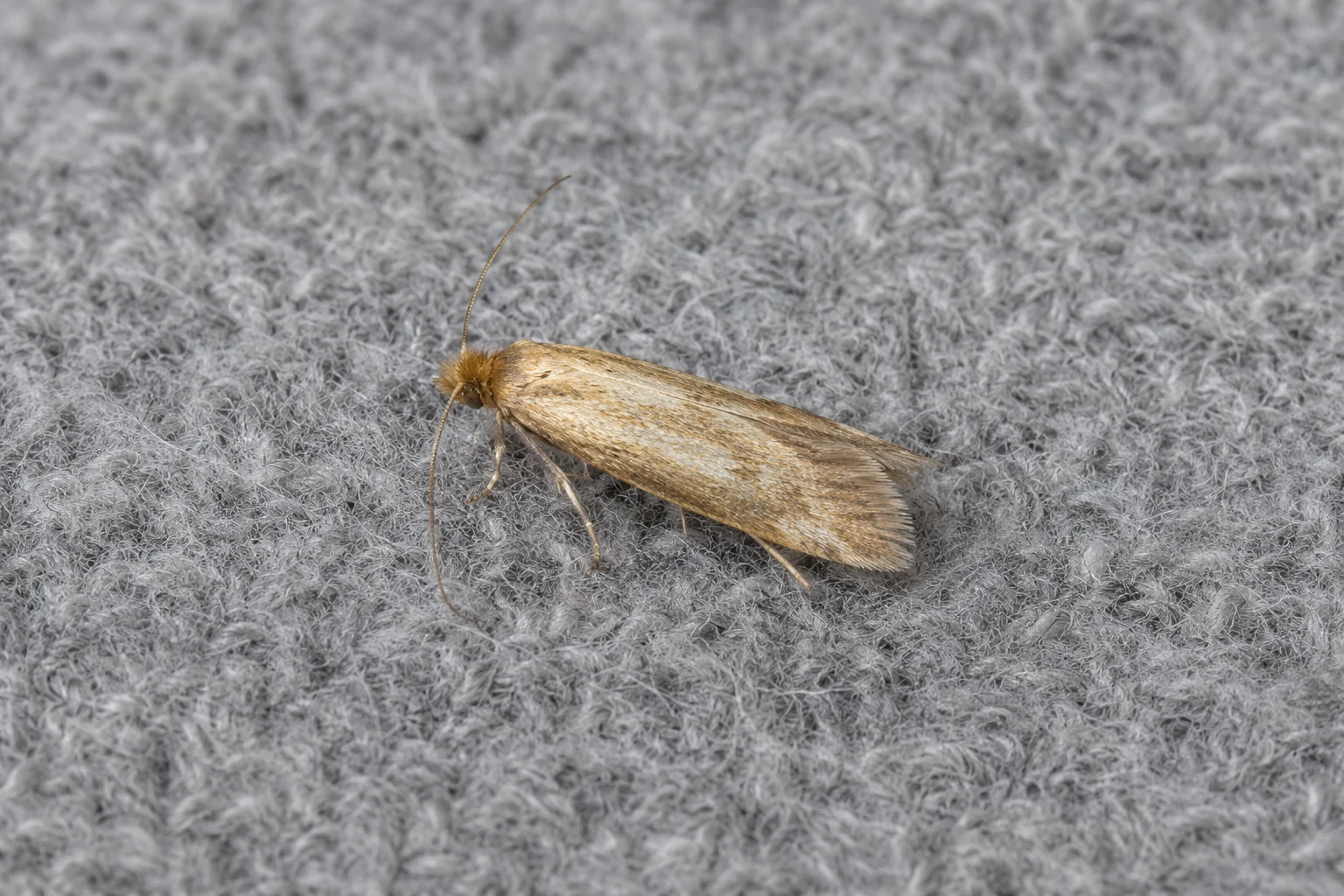
The moth reference and bed inspection illustrate separate enquiries; neither confirms the reported window insect.
Avoid applying a familiar method to an unfamiliar insect.
Before products or heat
Ask for advice on the assessed concern and material restrictions. Do not apply bedroom treatment instructions borrowed from another pest. Unplanned action can change evidence and damage belongings.
Preparation scope
Ask which items need examination, access or handling and why. A photograph at the window should not automatically produce instructions to clear every possession from the room.
Review
Keep later findings dated and tied to original surfaces. A new window insect may require identification rather than be declared a failed bed bug treatment. Preserve the distinction between confirmed species and uncertain observations.
Explain the room’s actual use.
Sleeping and storage
Mention overnight use and stored fabrics relevant to separate findings. Damage on curtains or clothing is a different evidence question from an insect resting on glass.
Shared reports
Keep another room or resident’s account separate. A household chat containing one image repeatedly is not multiple independent sightings.
Make future observations useful.
Consistent records
Retain the original photograph, approximate size and location. Avoid replacing it with a clearer but unrelated reference image. The reference cannot prove what was seen at this address.
Other pest signs
Independent food damage or suspected droppings may require mice enquiries, while supported kitchen insects may relate to cockroach control. Do not interpret every room finding through the initial window concern.
Confirm identification before a named treatment quote.
Ask what examination and assistance are available and which locations are included. The pricing guide helps compare an identification enquiry with a defined treatment scope. A bedroom address alone does not establish a bed bug price.
Other nearby evidence enquiries
Leytonstone pest control discusses neighbour reports, while Plaistow’s equipment guide covers disturbed monitoring items. Confirm the Forest Gate address and original window evidence when calling.
Questions about bedroom window insects
Is any insect in a bedroom a bed bug concern?
No. Identify the insect and describe separate sleeping-area evidence before choosing that service.
Can an online reference replace my blurry photo?
No. Keep it labelled as a reference. It is not evidence of the insect actually observed at the property.
Does an open window prove the insect came from outside?
It is context, but does not establish the route or origin by itself. Record the facts without adding certainty.
Should the whole bedroom be cleared immediately?
Ask what access or handling is relevant to the assessed concern. Unnecessary clearance can remove the original arrangement.
Are marks on curtains the same evidence as an insect on glass?
No. Describe the material damage and insect finding separately so identification and extent can be assessed.
What if another insect appears after advice?
Retain its own image, date and surface. It may need a separate identification rather than automatic assignment to the previous concern.
Let identification lead the bedroom enquiry.
Contact Getting Rid of Pests with the original finding and any separate bed evidence. For prompt assistance, ask about emergency pest control availability. The next step should address the observed insect rather than a pest label inferred from the room.
Ask what evidence would make identification more reliable.