
BATTERSEA · LONDON
Pest Control Battersea
Unpacking can reveal damage that was not visible during a viewing. For pest control in Battersea, describe the item and the room separately so the inspection can consider both. Getting Rid of Pests can discuss signs found during a move without assuming they came from the property or from the belongings brought into it.
- Record the original position of damaged boxes or furniture.
- Describe the property signs separately from signs on incoming items.
- Get preparation advice before redistributing suspect belongings.
Moving-in evidence · Room and item assessment · Preparation guidance

THE QUESTIONS BEHIND THE CALL
Keep the item and its surroundings connected.

Damaged packaging during unpacking
A chewed box found after moving is a reason to record its history, not immediate proof of mice in the new flat. Say where it was stored previously and where it stood after arrival. Report any direct sightings or signs nearby. Our mice inspection information explains the questions around current activity. If larger rodents are suspected in a separate storage area, discuss the rat control service. Identification should use the available evidence rather than the moving date alone.

Insects in an incoming bed or sofa
Do not assume a particular insect from an unexplained bite or mark. Note what has actually been seen and where. Keep a photograph if it can be taken easily, and ask for advice before moving the item through several rooms. Bed bug treatment guidance addresses sleeping-area preparation. The technician needs to know whether furniture arrived recently, but that information does not establish where an infestation originated or replace an inspection of affected areas.
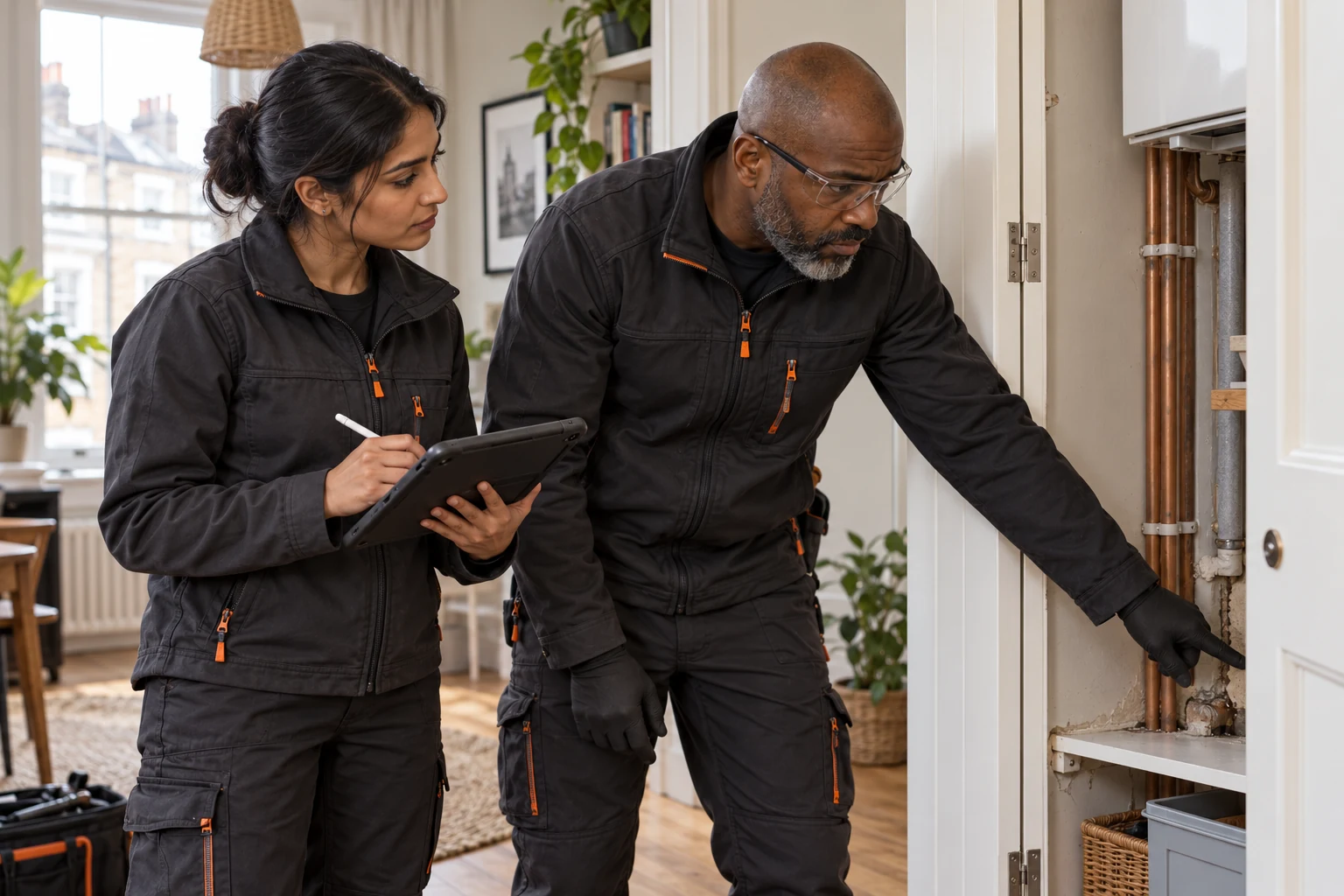
YOUR PROPERTY & ACCESS
Establish a baseline in the new property.
Take note of signs present before extensive cleaning or rearrangement. Include fixtures that came with the flat and items you brought in. A dated room list can distinguish pre-existing visible damage from something discovered later. For rented accommodation, report observations to the agent or landlord promptly and retain factual records rather than assigning blame.
Where waste is shared, check the applicable arrangement through Wandsworth’s flat guidance. Moving packaging should not obscure the bin-store conditions or block access needed for an inspection. If the enquiry involves a locked service room, arrange the building contact before booking a visit that includes it.
As unpacking continues, avoid losing the history of an item. Mark where a damaged carton was placed rather than combining it with every other box. For neighbouring enquiries, Wandsworth treatment reviews cover returning signs after an attempt, while Clapham shared-house routines focus on communication between occupants. Those are different questions from deciding what an incoming object tells you.
MAKE THE VISIT USEFUL
Turn an unpacking discovery into usable evidence.

Note what was found
Describe the insect, mark or damaged material and its location. Record when the item arrived and any earlier storage period you know about. Leave gaps in the history as unknowns instead of inventing an origin story.

Inspect the affected area
Agree which rooms and items need assessment. Explain what remains boxed and what cannot be moved without help. The inspection can consider accessible signs around the item; the scope should make any remaining limits clear.

Set up the next observations
Ask what to record after the visit and how to handle belongings under the proposed plan. Monitoring should have a defined location and purpose. Otherwise constant rearrangement can make new observations difficult to compare with the starting point.
Belongings awaiting decisions
Obtain instructions before disposing of furniture, sealing boxes or distributing contents into other rooms. Tell the team what is still packed. A practical treatment plan must account for the actual arrangement rather than assume the property is already fully settled.
People using the rooms
Explain which bedrooms are occupied and whether children or pets are present. Ask about room access and aftercare before making plans to sleep elsewhere or host visitors. The relevant instructions depend on identification and the proposed treatment.
SCOPE & BOOKING
Define rooms, items and later visits.
Ask whether the quotation covers inspection only or treatment of identified activity, and which areas are included. A separate item assessment, monitoring or a return visit may change the work. Confirm VAT and any proofing recommendation independently. The price guide should support scope questions rather than encourage treatment for a pest that has not yet been identified.
Need help before unpacking continues?
Speak to the team with your postcode, the discovery and the rooms involved. Explain any practical deadline. Current appointments can be checked, with urgent pest control options discussed when signs are affecting normal use of the property.
020 3746 3014BEFORE MAKING A DECISION
Questions during a move.
Does damaged cardboard prove there are mice in this flat?
Not by itself. Describe where the box was kept before and after the move, plus any surrounding evidence. The inspection should assess current signs rather than automatically attributing damage to the new address.
Can an insect on a sofa be identified from a photograph?
A clear image may help the enquiry, but some cases need examination. Mention the photograph when you call and ask how to share it. Do not select bed bug treatment merely because the insect was found on furniture.
Should I unpack the suspect boxes for inspection?
Request preparation advice first. Explain what is visible and whether contents can be accessed safely. Moving everything between rooms can remove the connection between the original item and the area where signs were found.
Can I ask for inspection before moving my bed in?
Yes, discuss the planned date and current access. Availability is checked at booking. Explain why you suspect a pest and ask what the inspection can establish in a room that may be largely empty.
Will a report prove the seller or former tenant was responsible?
It records findings within its scope, not a complete history of the property. Keep dated observations and raise separate responsibility questions through the appropriate route. Do not turn a new discovery into an unsupported allegation.
What if new signs appear as more belongings are opened?
Record each location and date, including the item’s history where known. Contact the team under the reporting instructions for your plan. New observations may justify extending assessment, rather than assuming every unopened box is affected.
GETTING RID OF PESTS
Keep the discovery in context.
Call with your Battersea move details, or view the wider pest control service in London.
020 3746 3014